Saksagan

Iconographic Details of the “Unfading Rose”
The icon of the Virgin Mary as the “Unfading Rose” is richly symbolic and visually elaborate. Both Mary and Christ are shown wearing jeweled...
Iconographic Details of the “Unfading Rose”
The icon of the Virgin Mary as the “Unfading Rose” is richly symbolic and visually elaborate. Both Mary and Christ are shown wearing jeweled...
The Iconography of “The Unfading Rose”
The icon of the Virgin Mary known as “The Unfading Rose” became widely popular in the eighteenth century. Scholars such as A. Sukrow, Thalia...
The Iconography of “The Unfading Rose”
The icon of the Virgin Mary known as “The Unfading Rose” became widely popular in the eighteenth century. Scholars such as A. Sukrow, Thalia...
Case Studies in Post-Byzantine Iconography
In Anatolia, many post-Byzantine icons show clear references to traditional Byzantine painting. At the same time, they reflect wider artistic trends of the time...
Case Studies in Post-Byzantine Iconography
In Anatolia, many post-Byzantine icons show clear references to traditional Byzantine painting. At the same time, they reflect wider artistic trends of the time...
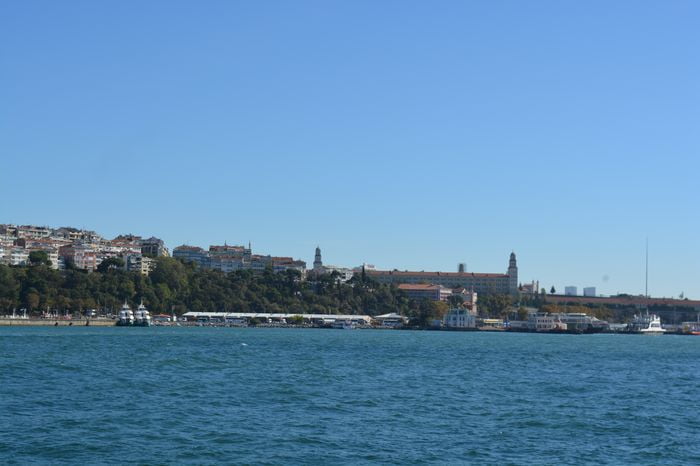
The Prison of St. Diomed
In the neighborhood of the fortifications lay the famous Prison of St. Diomed. This prison witnessed several notable historical events. In 654, Pope Martin...
The Gate of Psamathia
The next gate in the Constantinian walls of Constantinople is known as the Gate of Psamathia, derived from the ancient quarter called Psamathia. The...

Sources on Constantinople’s Gates
The ancient and medieval gates of Constantinople have been described by several historians and chroniclers. Patriarch Constantine, Cedrenus, Xonaras, and Symeon Magister provide important...

Earthquake Damage and Repairs in the Late 10th Century
In the year 975, during the final years of Emperor John I Tzimiskes, a strong earthquake struck Constantinople. The tremors caused significant damage to...